Understanding E-Waste: Common Myths and Facts About Recycling
E-waste has become a significant issue in the modern digital era. A large number of people maintain false beliefs about its recycling. Prevailing myths claim that e-waste has no recycling solutions or that proper disposal methods are restricted. Such misconceptions may impede proper recycling practices and worsen environmental harm. Understanding the realities of e-waste management is essential. What are the actual impacts on the environment, and how can individuals contribute to a more sustainable future? Exploring these questions reveals vital insights.
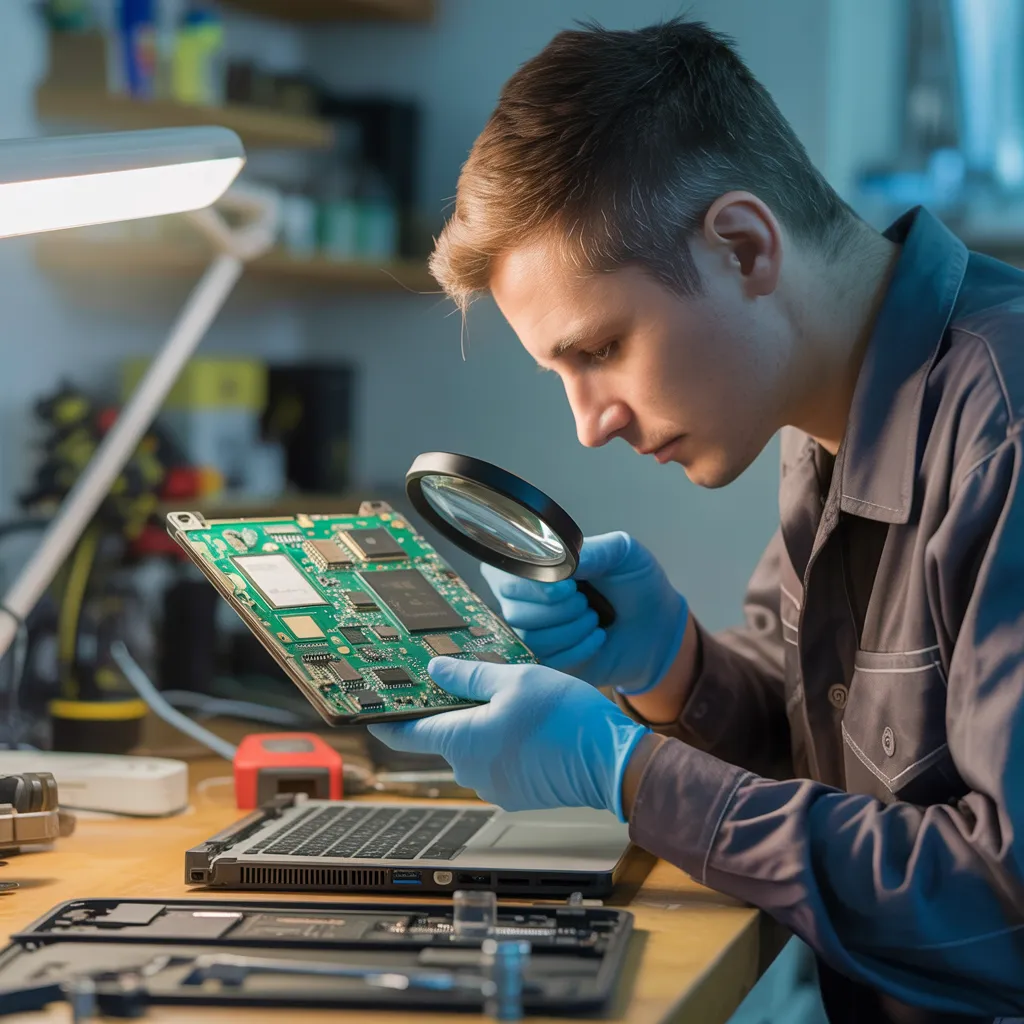
A Guide to E-Waste: What It Is and How to Handle It Responsibly
Electronic waste, commonly known as e-waste, is defined as disposed electrical appliances, including personal computers, smartphones, and television sets. This classification of waste is expanding quickly owing to the swift progression of technological innovation, giving rise to serious ecological issues. Numerous electronic products harbor dangerous substances including lead, mercury, and cadmium, which may present dangers to public health and natural ecosystems if not properly discarded.
The responsible handling of e-waste includes recycling through accredited programs that guarantee secure processing and management. A wide range of local and national organizations facilitate collection events, drop-off centers, and postal recycling options. Customers are urged to seek out certification labels, including R2 or e-Stewards, to ensure their electronic waste is disposed of in a responsible manner. Furthermore, contributing working devices to charitable organizations can prolong their useful life while minimizing waste. By gaining knowledge about e-waste and implementing appropriate disposal techniques, individuals can support a more sustainable future and lessen environmental consequences.
Dispelling Common Misconceptions About E-Waste Recycling
How do widespread misconceptions about e-waste recycling obstruct effective disposal practices? Misguided beliefs about e-waste recycling commonly contribute to improper disposal methods, ultimately compounding the issue. One prevalent myth is that all e-waste is recyclable, which can foster complacency. In practice, not all components are suitable for standard processing, and some demand specialized treatment. A further misconception is that e-waste recycling is overly complex or expensive, discouraging individuals from taking part. In fact, many communities offer accessible and free recycling programs. Furthermore, the assumption that e-waste inevitably ends up in landfills disregards the considerable efforts of recycling organizations that emphasize responsible processing. These falsehoods not only deceive the public but also hinder the unified effort essential for managing e-waste in a sustainable manner. Addressing and debunking these misconceptions is essential for fostering responsible consumer behavior and enhancing the overall effectiveness of e-waste recycling initiatives.
What Is the Environmental Impact of Ignoring E-Waste Recycling
Failing to recycle e-waste poses significant threats to the environment. When electronic equipment is thrown away carelessly, dangerous chemicals like lead, mercury, and cadmium can leach into soil and water systems, causing significant ecological contamination. Such dangerous compounds threaten the health of both animals and people, undermining ecosystems and tainting food chains.
In addition, the growing presence of e-waste in landfills leads to the degradation of natural resources. Useful metals and materials that could otherwise be reclaimed and recycled are forfeited, increasing the demand for new mining operations, which continues to damage the environment. Moreover, the carbon footprint connected to manufacturing new electronics is compounded, as raw materials are mined and refined.
Proper Methods for Recycling Your Old Electronics
In the context of handling the disposal of aging electronics, people have a number of practical choices available. Neighborhood recycling centers often provide secure methods for disposal, guaranteeing that components are handled in an environmentally sound manner. Furthermore, donating serviceable gadgets can increase their longevity while benefiting those in need.
Community Recycling Initiatives
Many communities now offer community-based recycling initiatives designed specifically for the safe disposal of aging electronic devices. Such initiatives are focused on reducing digital waste by offering convenient drop-off points and scheduled collection events. Community members can typically access details about accepted materials, guaranteeing that dangerous components are handled correctly. Community recycling programs often collaborate with accredited electronic waste processors, who comply with ecological guidelines to retrieve precious materials and properly handle toxic components. Certain initiatives additionally provide rewards, including reduced pricing on replacement devices, to encourage participation. By utilizing these local resources, residents can support ecological preservation while making certain their used electronics are handled in a secure and thorough way. Understanding these opportunities is critical for conscientious electronic waste handling.
Charitable Donation Options
Regional recycling efforts not only establish a way for responsible disposal but also open up possibilities for donating pre-owned electronics. Numerous organizations welcome working devices, including computers, smartphones, and tablets, which can be redirected for educational or philanthropic purposes. Schools, charitable organizations, and community facilities regularly embrace such donations, making certain that essential technology gets to individuals in need. Furthermore, certain manufacturers and retailers provide More info trade-in initiatives, enabling people to swap outdated devices for store credit, which encourages environmentally responsible practices. It is important to investigate nearby alternatives and confirm that the accepting organization adheres to ethical recycling standards. By donating instead of discarding, individuals can extend the lifecycle of electronics while supporting their community's technological needs.
The Ways E-Waste Recycling Helps You and the Environment
While often disregarded by some, e-waste recycling offers substantial benefits for both consumers and the natural world. By appropriately handling discarded electronics, individuals can ensure that valuable materials, such as alloys and polymers, are reclaimed and repurposed, limiting the requirement for raw material extraction. This not only conserves natural resources but also reduces contamination associated with extraction and production activities.
Moreover, e-waste recycling serves to keep hazardous substances, including mercury and lead, from seeping into soil and water sources. Through keeping e-waste out of landfills, communities are able to reduce critical health threats to humans and animals alike.
Additionally, engaging in e-waste recycling is capable of generating monetary prospects, as the recycling industry creates employment and stimulates regional economies. When all is considered, conscientious e-waste handling encourages a sustainable future, improving personal well-being, the ecological balance, and the economy alike. Acknowledging these merits can inspire more individuals to engage in e-waste recycling initiatives.
Discovering Local E-Waste Recycling Programs in Your Area
How can individuals locate e-waste recycling programs in their area? A variety of resources are available to assist in this endeavor. Local governments often maintain websites listing authorized recycling facilities. Such websites generally provide information on accepted items and applicable fees. Furthermore, organizations like Earth911 offer searchable online databases that enable users to discover local e-waste drop-off points by inputting their zip codes.
Community-based programs, such as e-waste disposal events, are regularly arranged by municipal bodies or community groups, offering convenient options for proper waste management. Electronic goods sellers may also take part in recycling programs, receiving discarded gadgets for appropriate handling. Additionally, government environmental bodies often offer guidance on e-waste management and can guide people to reliable disposal solutions. By making use of these services, residents can confirm their electronics are recycled properly, promoting a greener future.
Common Questions and Answers
Can Electronic Waste Be Fixed Instead of Being Recycled?
E-waste can frequently be restored as an alternative to recycling, depending on how well the device is functioning and whether parts are accessible. Repairing prolongs the lifespan of the item and minimizes the environmental footprint, providing a sustainable alternative to traditional recycling methods.
What Kinds of Electronics Fall Under the Category of E-Waste?
E-waste consists of disposed electronic equipment including televisions, computers, smartphones, tablets, appliances, and printers. Such products typically harbor hazardous materials, which makes responsible recycling and disposal necessary for environmental protection and public health.
Are There Any Legal Regulations on E-Waste Disposal?
That is correct, there are laws and regulations governing e-waste disposal. Numerous regions and nations establish legal measures to ensure responsible recycling and disposal, aiming to limit ecological damage and support responsible administration of electronic waste through particular rules and requirements.
How Can I Safely Store E-Waste Before Recycling?
When it comes to safely storing e-waste before recycling, individuals should keep devices in a cool, dry place, disconnect power sources, and utilize durable containers to avoid damage. Label items clearly to guarantee proper disposal later.
What Certifications Should I Look for in E-Waste Recyclers?
When selecting e-waste recycling companies, consumers should check for certifications such as R2 Responsible Recycling, e-Stewards, and ISO 14001. These credentials guarantee adherence to environmental standards and responsible handling of electronic waste during the entire recycling process.